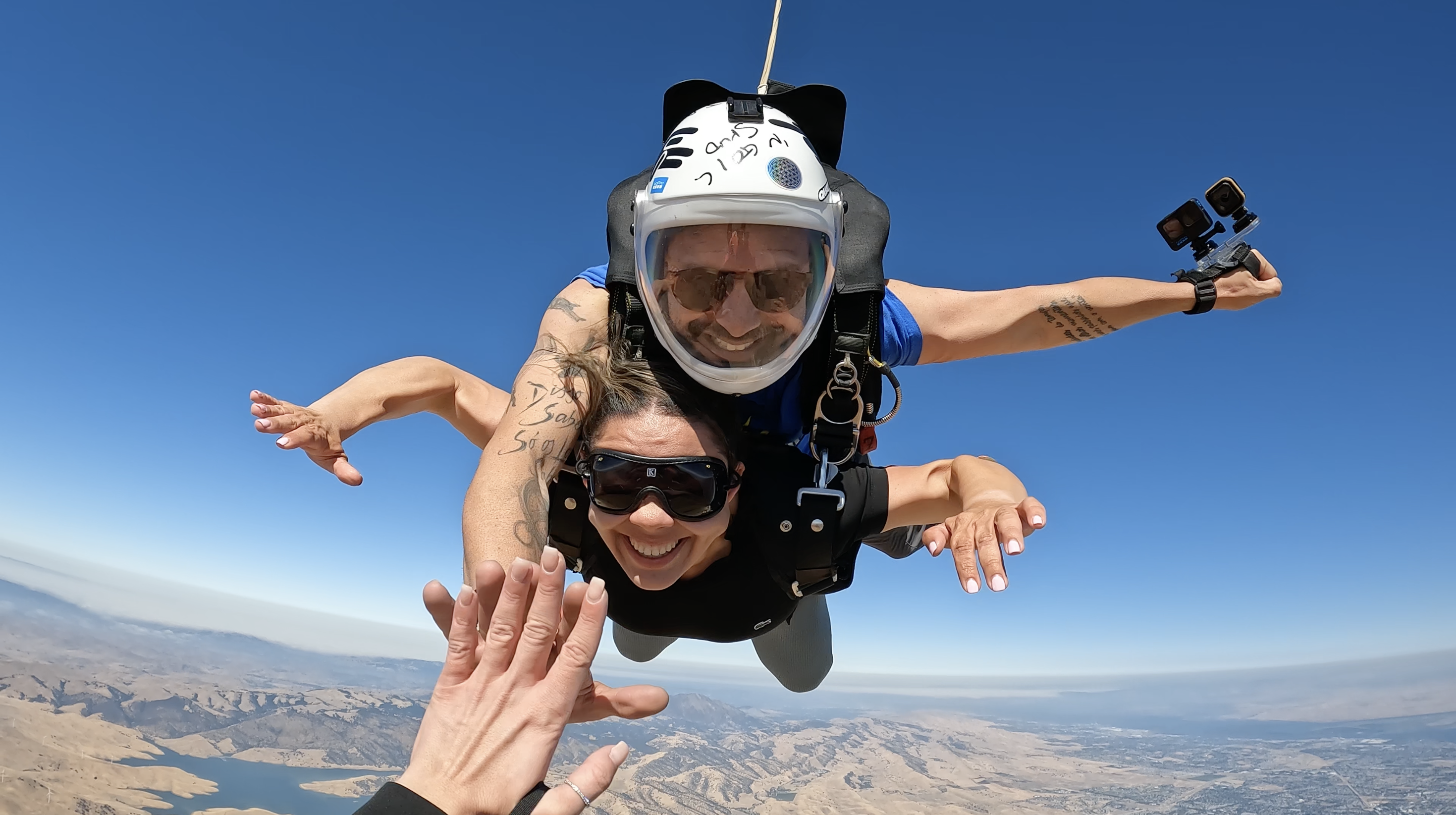
Best Places to Skydive in Northern California
A straight comparison of the region's drop zones — where they are, what they offer, and how to pick the right one for your first jump.
Quick Answer
Northern California has several established skydiving drop zones serving Bay Area and regional jumpers, including Bay Area Skydiving in Byron, SkyDance SkyDiving in Davis, Skydive Monterey Bay in Marina, and Skydive Hollister. The best choice usually comes down to location, whether you want a tandem skydive or AFF training, current pricing, altitude options, and the type of experience you want — see the full comparison below.
If you're searching for the best places to skydive in Northern California, you'll find several established drop zones serving the Bay Area and surrounding regions. Choosing where to skydive usually comes down to practical factors: location, whether you want a single tandem jump or a full AFF training path, and which landscape you'd rather see on the way down.
This Northern California skydiving guide compares several of the region's main drop zones and explains what to consider before booking. It also covers what to expect from your first jump — whether that's a tandem skydive or the start of your licensing.
Coming from the South Bay? See our guide to skydiving near San Jose. If you are comparing budgets, our Bay Area skydiving cost guide explains current tandem pricing. First-time jumpers can also use our first tandem skydive guide to prepare for jump day.
Why Northern California Is a Strong Place to Learn
Consistent Weather
Northern California's Mediterranean climate keeps jumping conditions workable most of the year, though facilities do reduce operating days during winter rain.
Varied Scenery
Depending on the drop zone, you'll see the Central Valley farmland, the Delta, the coastal ranges near Monterey, or the Bay Area hills — the view genuinely changes by location.
Reachable From the Bay Area
The drop zones in this guide serve jumpers coming from different parts of Northern California, including the Bay Area, South Bay, East Bay, Central Valley, and Monterey Bay region. Always check current drive time and traffic before your jump day.
Real Training Paths
Multiple dropzones in the region run USPA-affiliated AFF programs, so a first tandem jump can turn into a full license if you want to keep going.
What Actually Matters When Comparing Drop Zones
Most Northern California drop zones meet the same baseline: USPA affiliation, current equipment, and certified instructors. What actually differs between them is narrower than marketing pages tend to suggest. Four things are worth checking before you book:
USPA membership and instructor ratings
Confirm the dropzone is a current USPA group member and that tandem instructors hold an active USPA Tandem Instructor rating — you can ask for this directly.
Exit altitude and freefall time
Advertised altitude varies by dropzone and aircraft — a higher exit altitude generally means more freefall time before the parachute opens.
What's included in the price
Some centers bundle ground training and gear into the jump price; others charge separately for video, photos, or equipment. Ask for the total, not just the headline number.
Drive time on the actual day
Add real traffic conditions, not map-estimate driving time — Bay Area traffic can meaningfully change which dropzone is actually closest for you.
Northern California Drop Zones Compared
A practical look at several established Northern California skydiving options. Confirm current pricing, altitude, training availability, operating days, and restrictions directly with each drop zone before booking.
Bay Area Skydiving
This dropzoneByron-based drop zone serving Bay Area jumpers with tandem skydiving and AFF training from the same home drop zone.
SkyDance SkyDiving
Established Davis-area skydiving center offering tandem jumps and student training. Check current altitude options, pricing, and availability directly before booking.
Skydive Monterey Bay
Coastal skydiving option near Monterey Bay. Check current tandem options, pricing, and operating schedule directly with the drop zone.
Skydive Hollister
South Bay-area skydiving option in Hollister. Check current tandem options, training availability, pricing, and operating schedule directly.
Why Jumpers Choose Bay Area Skydiving
Tandem program built around first-time jumpers, with ground training and instructors who work with nervous first-timers regularly.
Full AFF training path on-site, so a first jump can become a license without switching dropzones.
Gift certificates for birthdays, anniversaries, and group events.
Group bookings for corporate events, bachelor/bachelorette parties, and team outings. Contact our team to discuss availability.
Tandem Skydiving: What Your First Jump Looks Like
On a tandem jump, you're harnessed to a certified instructor who handles every technical part of the dive. Expect roughly 15–30 minutes of ground training covering body position and safety procedures, then the climb to altitude, 30–60 seconds of freefall, and a 5–7 minute parachute ride back down.
Every tandem rig carries a main parachute, a reserve parachute, and an Automatic Activation Device (AAD) that deploys the reserve automatically if needed. Tandem instructors must hold a current USPA Tandem Instructor rating to jump commercially in the US.
Most first-time tandem jumpers must be at least 18 years old and meet the physical and weight requirements of the drop zone they choose. At Bay Area Skydiving, tandem jumpers can be accepted up to 275 lbs, with additional charges applying at certain weight ranges. Review the current requirements on our tandem page before booking. If you have a medical condition or specific concern, contact the drop zone before your visit.
Ready to book your tandem jump?
Learning to Skydive: The AFF Path
Accelerated Freefall (AFF) is how most people in the US learn to skydive independently. Unlike tandem, you carry your own parachute from the first jump, with two instructors jumping alongside you for guidance. The program runs through seven levels — body position, altitude awareness, deployment, emergency procedures, and canopy control — each building on the last.
A USPA A License requires all seven AFF levels, a minimum of 25 jumps, a written exam, and demonstrated proficiency in freefall and canopy control. Once licensed, you can jump at any US dropzone and start working toward B, C, and D licenses or specialized disciplines like formation skydiving or wingsuiting.
Timeline varies with weather and schedule — some students finish over several weekends, others in a week-long intensive course. Ask about AFF package pricing, which is usually better value than paying per jump.
Interested in becoming a licensed skydiver?
Frequently Asked Questions
What are the best places to skydive in Northern California?
Bay Area Skydiving (Byron), SkyDance SkyDiving (Davis), Skydive Monterey Bay (Marina), and Skydive Hollister are the main established dropzones within roughly two hours of San Francisco. Which one is "best" depends on your drive time, whether you want tandem or AFF training, and the scenery you prefer.
How much does tandem skydiving cost in Northern California?
Pricing varies by drop zone, altitude, date, and photo or video options. Bay Area Skydiving currently lists a 13,000 ft tandem jump at $198 during its current promotion. For current details, see our skydiving cost and pricing guide and confirm competitor pricing directly before booking.
Is skydiving safe for first-time jumpers?
Tandem skydiving has a strong safety record when done through USPA-affiliated dropzones with certified instructors and properly maintained equipment, including a reserve parachute and an automatic activation device. Ask any dropzone about their safety record and instructor certifications before booking.
How long does AFF training take in California?
Most students complete the seven AFF levels over several weekends or a week-long intensive course. Reaching the 25-jump minimum for an A License usually takes 1–3 months depending on weather and schedule, though some finish in 2–3 weeks.
What's the minimum age for skydiving in California?
18 years old, with valid government-issued photo ID required. There's no maximum age, though jumpers should be in reasonable health and able to meet the dropzone's physical requirements.
Can I skydive if I'm afraid of heights?
Many people with a fear of heights complete tandem jumps without issue — freefall doesn't feel like standing at a height. Mention any concerns to your instructor during the briefing.
What should I wear for skydiving?
Comfortable athletic clothing and closed-toe shoes — no sandals, boots, or high-tops. Dress in layers for cooler weather. Jumpsuits, goggles, and helmets are provided.
Are skydiving gift certificates available?
Yes. Bay Area Skydiving offers gift certificates for people who want to give a skydiving experience. Check the gift certificate page for current terms, pricing, and redemption details.
What's the best time of year for skydiving in Northern California?
Skydiving is weather dependent year-round. Northern California often has many jumpable days, but wind, clouds, rain, and other conditions can cause delays or rescheduling in any season. Check the forecast and your drop zone's operating status close to your scheduled date.
Ready to Experience Northern California Skydiving?
Whether you're planning your first tandem jump, pursuing your skydiving license through AFF training, or looking for the perfect gift certificate, Bay Area Skydiving provides professional instruction, modern equipment, and an unforgettable experience.